
Vera Hansen · 15 September 2026
Insights into Content Refresh Cycles for Maintaining Relevance in Dynamic Online Markets
Content refresh cycles represent structured approaches that organizations use to update existing material at regular intervals, and these processes help sustain visibility when search algorithms prioritize current information over static pages. Researchers have documented how frequent revisions align with shifts in user behavior and platform requirements, while data from multiple studies indicates that pages receiving updates every three to six months often maintain higher rankings compared to those left unchanged for longer periods.
Defining Content Refresh Cycles in Practice
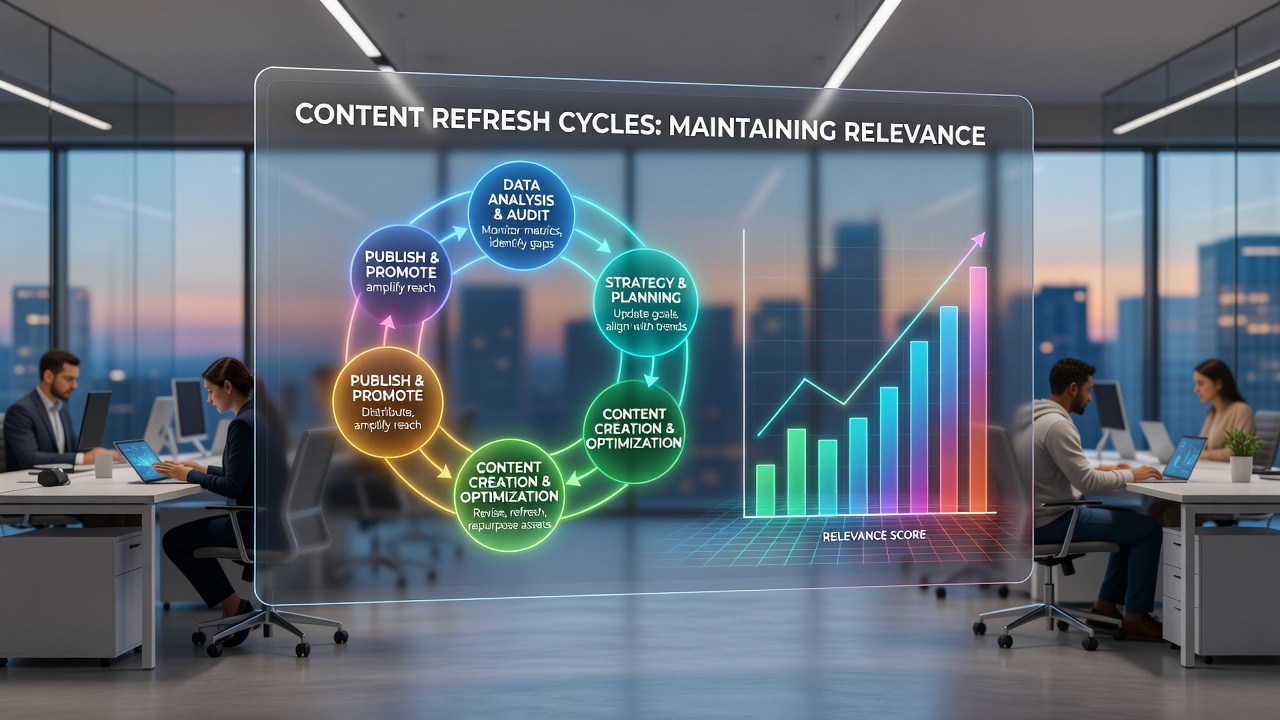
Observers note that content refresh cycles involve systematic reviews of published articles, product descriptions, and blog posts, followed by additions of new statistics, revised examples, or expanded sections that address emerging queries. Those who've studied search patterns find that search engines detect these changes through crawl signals, and the process typically combines keyword analysis with performance metrics to determine which pages need attention first. In dynamic markets where trends evolve rapidly, such cycles prevent content from losing authority as competitors introduce fresher alternatives.
Key Factors That Shape Refresh Timing
Market volatility plays a central role, since industries like technology and finance experience quicker shifts in terminology and consumer priorities, whereas sectors such as manufacturing may follow extended intervals between updates. Data shows that pages covering fast-moving topics benefit from quarterly reviews, while evergreen subjects allow for annual evaluations without significant drops in engagement. Algorithm updates further influence decisions, and companies that monitor these changes report adjusting their schedules accordingly to preserve positions in search results.
Resource allocation also affects cycle length, because teams with dedicated content specialists can implement shorter intervals than smaller operations that handle updates alongside other responsibilities. Studies from academic institutions reveal that organizations tracking user dwell time and bounce rates gain clearer insights into when refresh efforts yield the strongest returns, and this measurement approach helps prioritize pages that show early signs of declining performance.
Data Patterns Observed Across Industries
Figures from industry reports indicate that refreshed content can increase organic traffic by 20 to 30 percent within the first three months after publication of updates, although results vary based on topic competitiveness and initial content quality. Those monitoring crawl budgets discover that search engines allocate more frequent visits to sites demonstrating consistent update activity, which in turn accelerates indexing of new material. In September 2026, analysts noted accelerated adoption of automated monitoring tools that flag pages requiring attention based on traffic anomalies rather than fixed calendars alone.
Take one research project conducted across European e-commerce platforms where experts tracked refresh outcomes over eighteen months, and the findings demonstrated that pages updated with region-specific examples outperformed globally static versions by measurable margins in local search visibility. Similar patterns emerged in North American datasets, where organizations that incorporated fresh case studies maintained steadier referral traffic despite seasonal fluctuations in search volume.
Implementation Approaches Used by Organizations
Teams often begin by auditing existing content inventories to identify underperforming assets, then apply a tiered system that assigns shorter cycles to high-value pages and longer ones to supporting material. This method allows efficient distribution of editorial resources while still addressing the demands of dynamic markets. Analysts have observed that integrating user feedback loops into these audits produces more targeted revisions, because direct input highlights gaps that internal reviews might overlook.
Collaboration between technical and editorial staff further refines outcomes, since developers can implement structured data updates at the same time writers expand textual sections. Evidence from multiple case examinations shows that synchronized efforts reduce duplication of work and ensure that both on-page elements and backend signals remain current. Organizations that document their cycle processes also report improved consistency across departments, which supports long-term maintenance without repeated training investments.
Measurement Techniques and Outcome Tracking
Performance indicators such as average time on page, click-through rates, and conversion metrics provide concrete benchmarks for evaluating refresh effectiveness, adn teams compare pre- and post-update figures to quantify impact. Pew Research Center data on digital content consumption illustrates how updated material sustains longer engagement windows across demographic groups. Additional tracking through server logs reveals changes in crawl frequency that correlate with sustained relevance in competitive search landscapes.
Adjustments based on these measurements allow organizations to refine cycle lengths over time rather than adhering to rigid schedules, and this flexibility proves valuable when external events alter market dynamics unexpectedly. Those applying such iterative methods find that content portfolios stay aligned with audience expectations while minimizing unnecessary revisions on stable topics.
Conclusion
Content refresh cycles function as essential mechanisms for preserving visibility within markets that reward timeliness and accuracy, and the approaches outlined here draw from documented patterns across varied sectors. Organizations that integrate regular audits, performance tracking, and coordinated updates position their material to withstand algorithmic shifts and competitive pressures. Continued observation of these processes will likely yield further refinements as platforms evolve and new measurement tools emerge.